Inside the Darkest Corners of Auschwitz: The Haunting Reality of the “Death Block”

Inside the Darkest Corners of Auschwitz: The Haunting Reality of the “Death Block”
Content Warning: This story discusses the Holocaust and historical war crimes.
During World War II, Auschwitz became one of the most terrifying symbols of human cruelty. Behind its barbed wires and watchtowers stood places that prisoners called “execution zones”—areas where fear, torture, and death were part of everyday life.
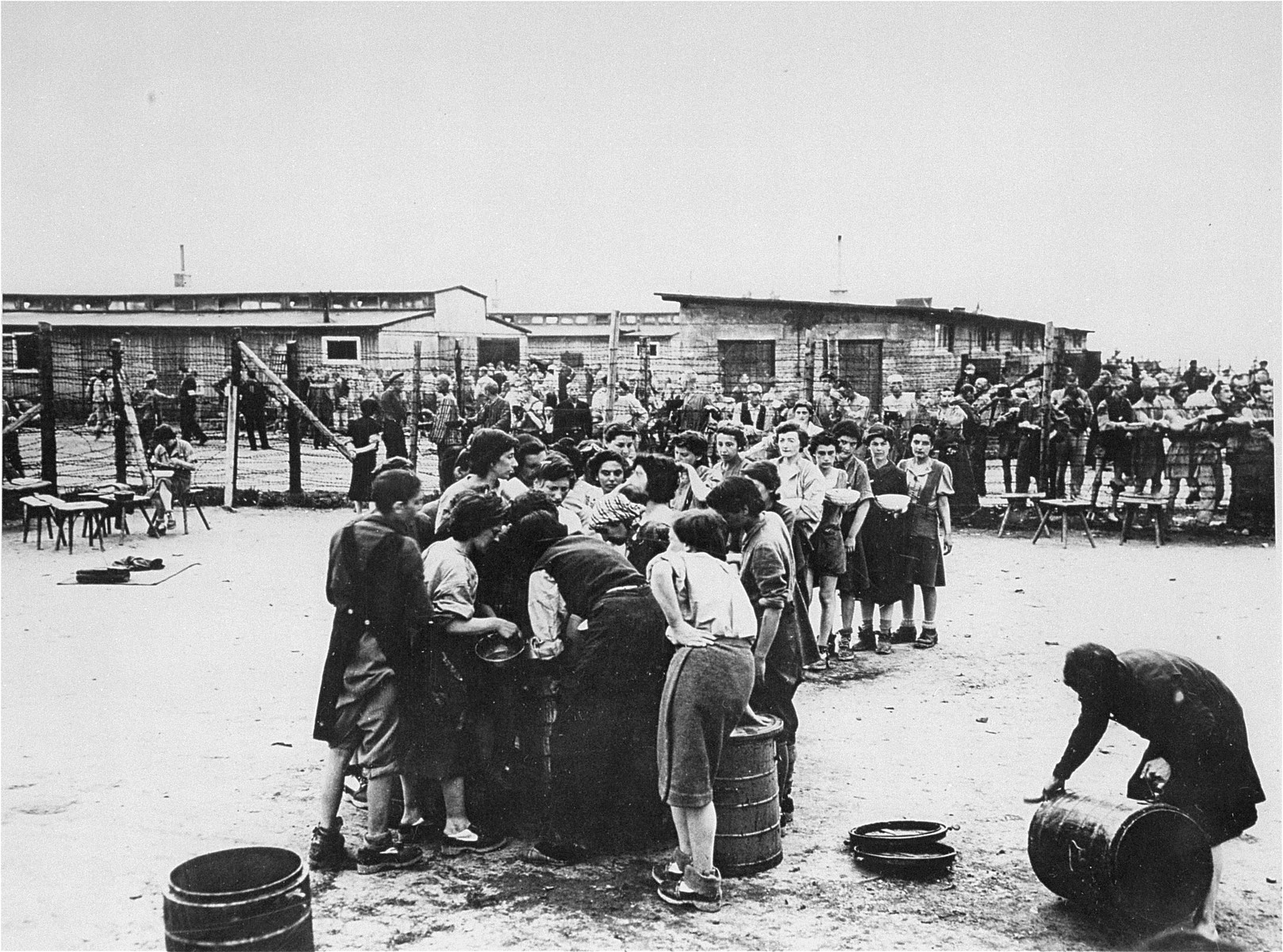
One of the most infamous locations was Block 11, known among prisoners as the “Death Block.” Inside its cold walls were punishment cells, standing cells so small prisoners could barely move, and underground chambers where many people spent their final hours. For countless victims, these rooms represented the last step before execution.
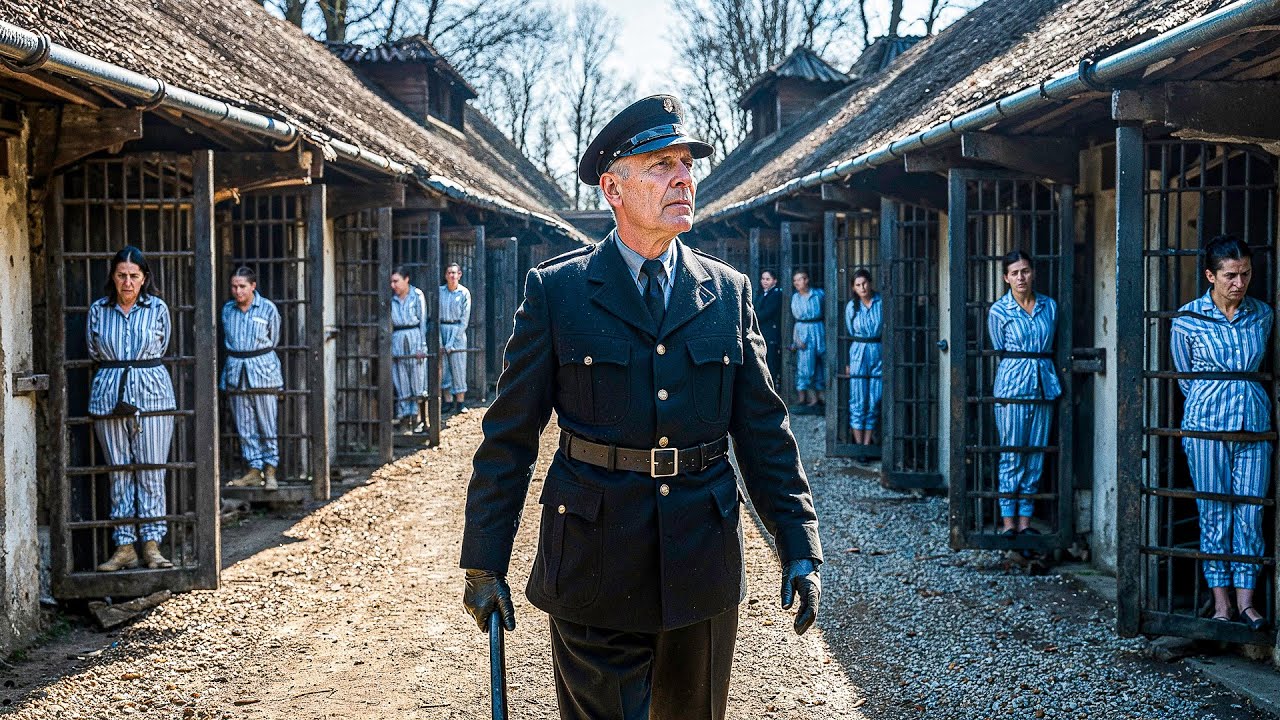
Another chilling figure associated with the camp was the doctor prisoners later called the “Angel of Death.” Survivors described selections on the arrival platforms where life-or-death decisions were made in seconds, sending many people directly to forced labor—or to their deaths.
The execution courtyards, punishment cells, and interrogation rooms formed a network of suffering designed to crush hope and humanity.
Today, Auschwitz stands not only as a historical site but as a powerful reminder of the consequences of hatred and dehumanization. Millions of innocent people lost their lives, and their stories must never be forgotten.
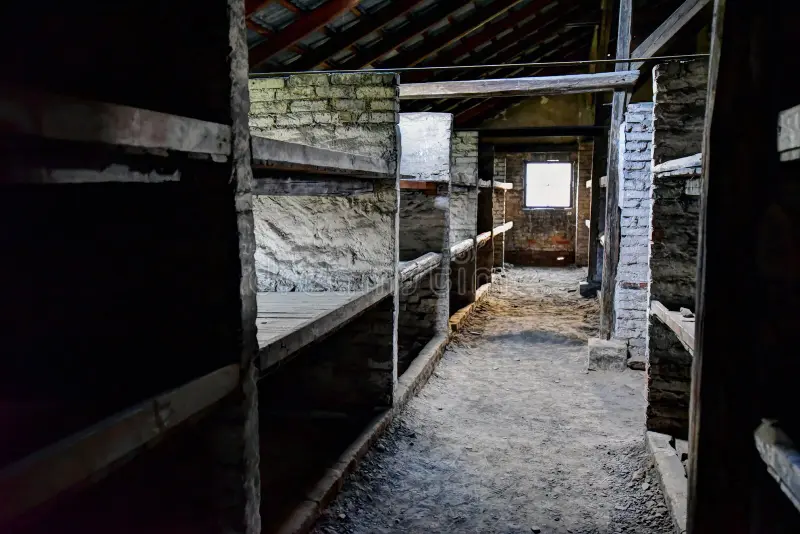
Remembering these places is not about horror alone.
It is about honoring the victims, preserving truth, and ensuring that such darkness is never repeated again.
