A Love That Defied Time
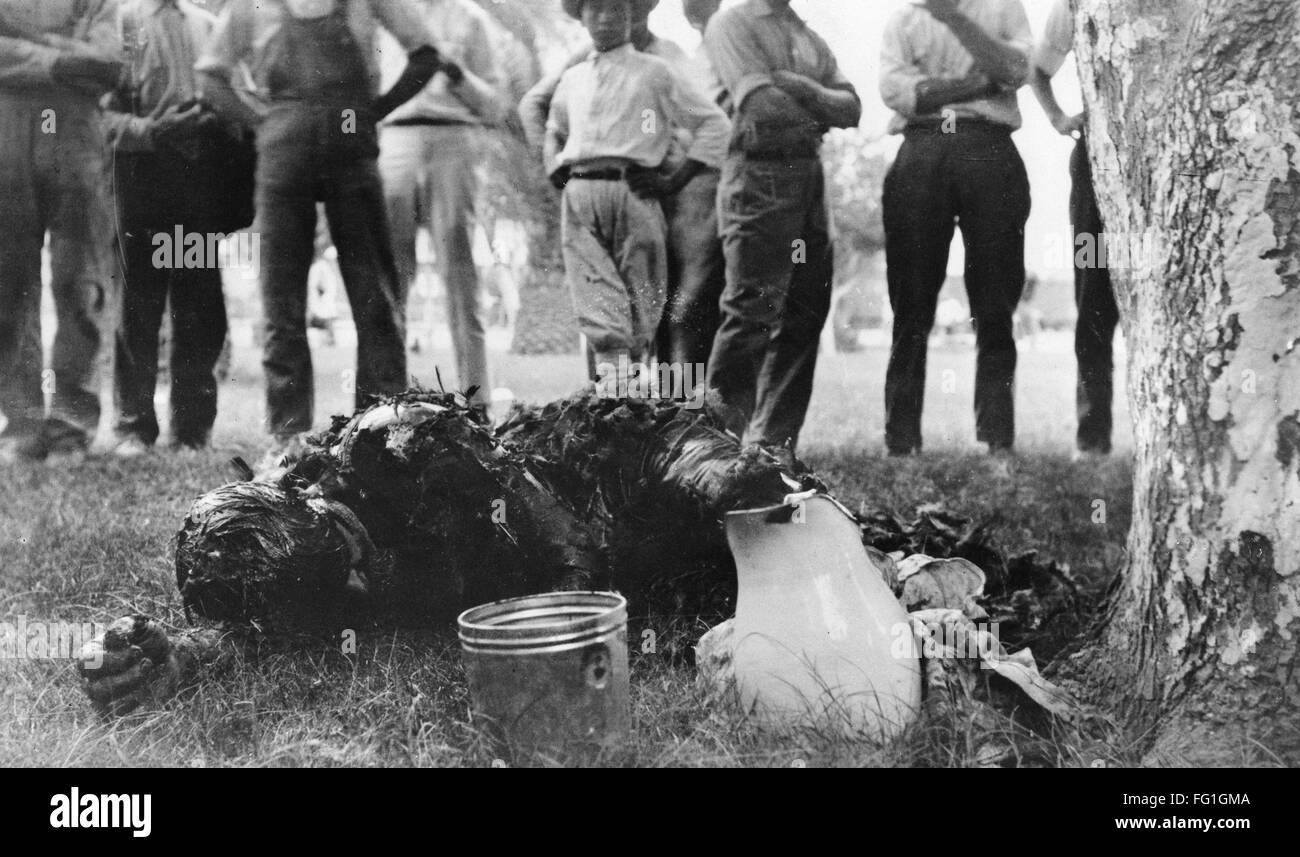
A Love That Defied Time
Los Angeles, June 24, 1951.
Grady Johnson wasn’t hunting glory.
He was hunting his dog — his loyal friend, his heartbeat on four legs.
When that precious pup slipped into the black abyss of the La Brea Tar Pits — the same merciless grave that swallowed mammoths , saber-toothed tigers , and dire wolves for 40,000 years — Grady didn’t hesitate.
No second thoughts.
No cry for help.
He leaped in.
The tar wasn’t boiling. That was the terror.
It looked like solid ground. It wasn’t.
One step — and the cold, suffocating asphalt gripped him like a living thing.
Every desperate thrash pulled him deeper.
His skin, his clothes, his very breath coated in thick, endless black.
He was becoming one with the ancient death trap.
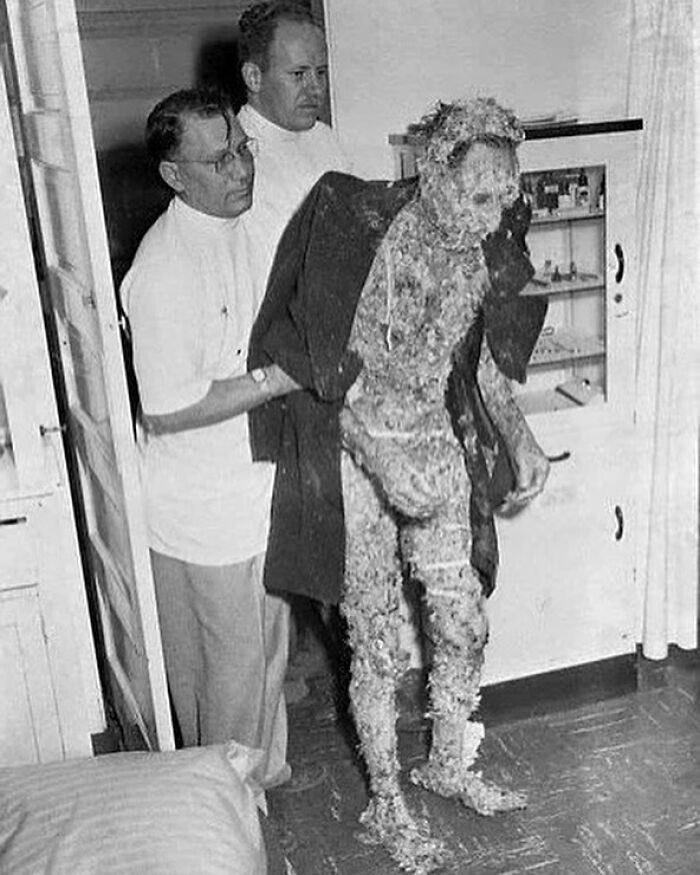
Bystanders screamed. Rescuers threw boards, ropes, raw strength — fighting to drag him from the jaws of prehistory.
They succeeded.
Grady emerged — alive, but transformed: a walking fossil, encased head to toe in hardened tar, eyes wide with shock and relief.
His dog? Safe too.
Both lived.
In that frozen moment, love didn’t just conquer fear — it stared down eternity itself and refused to let go.
A man. A dog. A pit older than empires.
And a bond stronger than time.
